
For generations, chocolate has been cast as a guilty pleasure-an indulgence to be savored sparingly and regretted promptly. Yet a growing body of research is challenging that reputation, suggesting that this familiar treat may offer more than just a momentary mood boost. In laboratories and long-term population studies alike, scientists are uncovering intriguing links between certain types of chocolate and longevity, hinting that what melts on your tongue could quietly be working on your heart, brain, and beyond.
This article explores how compounds hidden in cocoa might influence the body’s most vital systems, what kinds of chocolate appear to matter most, and why moderation remains critical even as the science turns unexpectedly sweet.
What the new chocolate longevity study really found and why it matters
The latest research doesn’t claim that a daily candy-bar habit is a ticket to immortality. Instead, scientists tracked thousands of adults over many years and found that those who enjoyed modest amounts of cocoa-rich chocolate had a slightly lower risk of dying from cardiovascular causes. When researchers adjusted for age, smoking, exercise, and overall diet quality, a clear pattern emerged: people who ate small, regular portions of chocolate-especially dark varieties-tended to live longer than those who ate none or who binged on large amounts. In other words, the benefit wasn’t about indulgence; it was about balance.
To understand the findings, it helps to look at what participants actually consumed and how their bodies responded. The study linked higher intake of cocoa flavanols-naturally occurring plant compounds-to improvements in blood vessel flexibility, blood pressure, and inflammation markers. These physiological changes, while modest on their own, may quietly stack the odds in your favor over decades. Yet the data also showed diminishing returns at higher doses, suggesting there’s a “sweet spot” where chocolate supports health without overloading you with sugar, fats, and extra calories.
| Chocolate Habit | Typical Weekly Amount | Observed Effect* |
|---|---|---|
| None | 0 servings | Baseline risk |
| Light | 1-3 small pieces | Slight benefit |
| Moderate | 3-7 small pieces | Greatest benefit |
| Heavy | Daily large portions | No extra advantage |
*Based on overall mortality and heart-health outcomes reported in the study
What makes these findings genuinely important is how they reshape the idea of “healthy eating” from rigid restriction to informed enjoyment. The data supports a pattern where chocolate can fit into a long-life strategy, as long as it’s part of an overall nutrient-dense, plant-forward diet and not a replacement for fruits, vegetables, and whole grains. Practically, this means prioritizing options that are:
- Richer in cocoa (higher percentage dark chocolate)
- Lower in added sugars and ultra-processed additives
- Reasonable in portion size-a few squares, not half a bar
- Paired with healthy habits like regular movement and not smoking
In the end, the research doesn’t give chocolate a health halo; it gives you permission to think of it as a small, strategic pleasure that can coexist with longevity rather than compete with it.
The surprising science inside cocoa from flavanols to blood vessel health
Hidden inside every spoonful of rich cocoa is a cocktail of plant compounds called flavanols that behave more like tiny biochemical engineers than a sweet treat. These naturally occurring antioxidants travel through the bloodstream, where they help reduce oxidative stress and support the delicate inner lining of your arteries, known as the endothelium. When the endothelium is healthy, it signals blood vessels to relax, making it easier for blood to flow, nutrients to circulate, and oxygen to reach your tissues-all key elements tied to longevity and cardiovascular resilience.
Researchers have found that these cocoa flavanols can trigger the body to produce more nitric oxide, a gas molecule that acts as a powerful vasodilator. As blood vessels widen, blood pressure may gently ease down, and circulation can improve in places that often struggle with blood flow, such as the brain and extremities. This is why cocoa extracts are now being studied not just for heart health, but also for their potential to support cognitive performance and protect against age-related decline. Unlike sugar-laden candy bars, high-flavanol cocoa behaves more like a functional food than a dessert.
- Boosts nitric oxide production
- Supports flexible, responsive arteries
- Helps counter everyday oxidative stress
- May aid healthy blood pressure levels
| Cocoa Form | Flavanol Level |
|---|---|
| Natural cocoa powder | High |
| Dark chocolate (>70%) | Moderate |
| Milk chocolate | Low |
How much chocolate is actually beneficial daily portions backed by research
Researchers don’t agree on a single “magic number,” but multiple large studies suggest that a modest, regular dose of cocoa-rich treats can support heart and brain health without tipping you into sugar overload. Most evidence points to about 10-30 grams per day (roughly 1-3 small squares of a high-cocoa bar) as a sweet spot. In observational studies, people who enjoyed this amount tended to have slightly lower blood pressure, better blood vessel flexibility, and, in some cases, a reduced risk of heart attack and stroke compared to those who rarely touched the stuff.
What matters even more than size is quality. To tap into those flavanol-driven benefits, researchers typically work with chocolate that’s closer to the cocoa bean and farther from the candy aisle. That usually means:
- Dark varieties with at least 70% cocoa solids
- Minimal added sugar and no hydrogenated fats
- Smaller portions enjoyed consistently, not in giant weekend binges
- Cocoa powder (unsweetened) in smoothies, oats, or yogurt as an easy swap for sugary syrups
| Type | Daily Amount | Why It Works |
|---|---|---|
| High-cocoa dark bar | 1-3 squares (10-30 g) | Delivers flavanols with limited sugar |
| Unsweetened cocoa powder | 1-2 tsp | Easy to add to breakfast or snacks |
| Milk or white chocolate | Occasional treat | Lower cocoa, higher sugar and fat |
Of course, even the most promising longevity data doesn’t turn a chocolate bar into a multivitamin. Scientists emphasize that these portions are only helpful when they fit inside a balanced, calorie-aware diet. Think of your daily square or two as a flavorful delivery system for bioactive plant compounds, not a license to abandon vegetables, nuts, or exercise. Within that frame, the research-backed range of a small, mindful serving can become a regular ritual-one that’s pleasurable enough to keep, and modest enough to support long-term health goals.
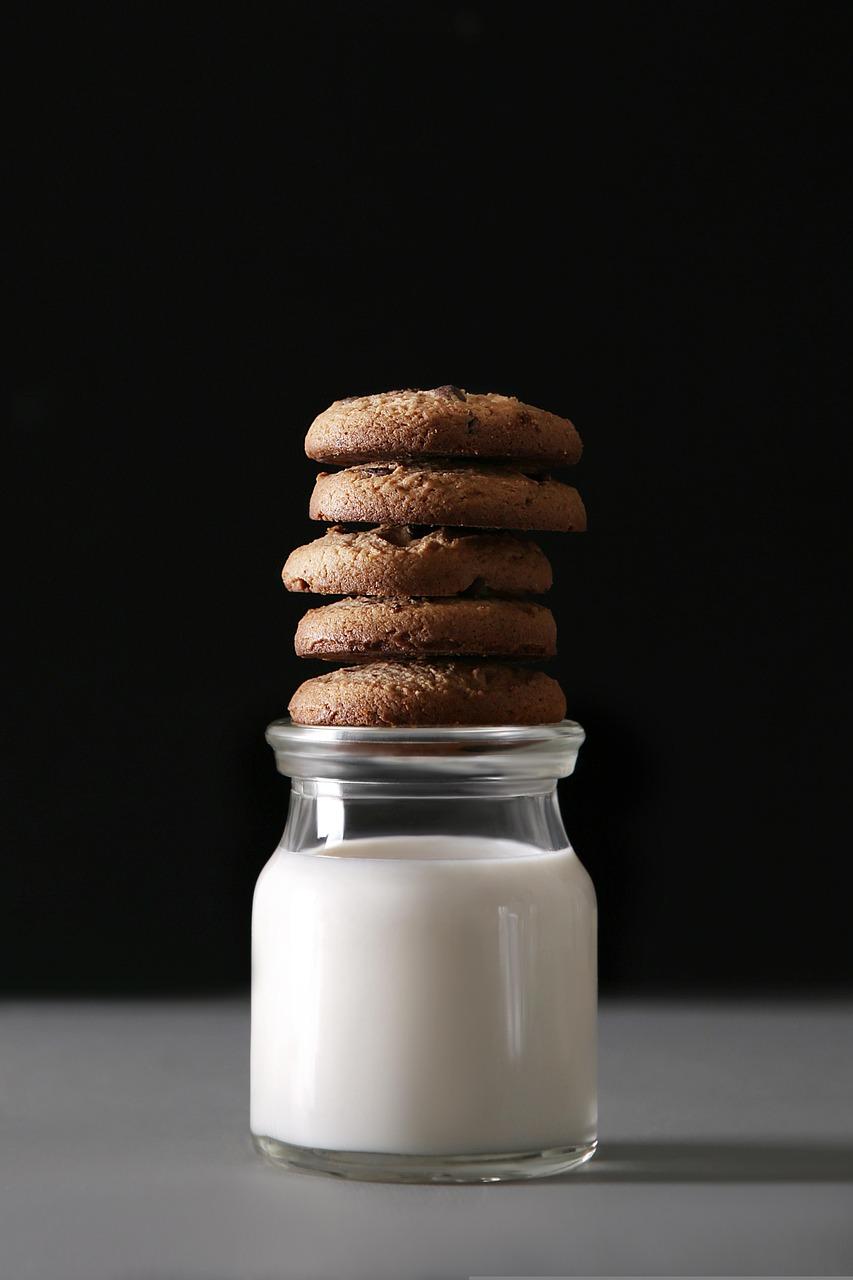
Dark milk or white choosing the chocolate that supports a longer life
Not all cocoa-based treats deliver the same potential longevity perks. The sweet spot for many researchers is chocolate that’s rich in cocoa solids and relatively modest in sugar. That usually means a bar with at least 60-70% cocoa, where flavanols-the plant compounds linked with improved blood flow, lower inflammation and possibly better brain health-are more concentrated. In contrast, creamy confections with more sugar and milk fats can dilute these compounds and may nudge blood sugar and triglycerides in the wrong direction if eaten in excess.
- Dark options tend to pack more flavanols and less sugar.
- Milk varieties can be more palatable but often add extra calories.
- White styles contain cocoa butter, but no cocoa solids, so virtually no flavanols.
- Portion size matters as much as the percentage on the label.
| Type | Cocoa Solids | Flavanols | Typical Sugar |
|---|---|---|---|
| High-cocoa dark | 70-85% | High | Low-Moderate |
| Classic milk | 25-40% | Medium-Low | Moderate-High |
| White | 0% (only cocoa butter) | Very low | High |
For those chasing potential health benefits rather than just a sugar rush, the smartest move is a small daily square or two of higher-cocoa chocolate that you genuinely enjoy. Savoring it slowly after a meal can help curb cravings and keep portions modest, while pairing it with nuts or berries adds fiber and antioxidants that support heart and metabolic health. The bar that fits best into a longer-life pattern isn’t necessarily the darkest or trendiest-it’s the one that balances cocoa richness, clean ingredients and a taste you won’t overeat.
Timing your treat when to eat chocolate for maximum health payoff
It turns out the clock matters almost as much as the cocoa. Our circadian rhythm influences how we metabolize sugar and fat, so savoring your square of dark chocolate at the right moment can shift it from guilty pleasure to strategic health ally. Many researchers suggest enjoying it earlier in the day, when insulin sensitivity is naturally higher and your body is more primed to use the energy rather than store it. Think of it as moving chocolate out of the “midnight snack” category and into the role of a smart, late-morning or midafternoon pick-me-up.
Done thoughtfully, timing your indulgence can help stabilize rather than spike your energy. Pairing chocolate with a balanced meal or snack slows down absorption and keeps blood sugar from surging and crashing. Consider these simple strategies:
- Have it mid-morning with yogurt, nuts, or fruit to ride the wave of natural alertness.
- Use it as a midafternoon reset when focus dips, instead of reaching for ultra-sweet pastries.
- Avoid very late-night nibbling, when metabolism and digestion are winding down.
- Anchor it to routine-like after lunch-so it feels intentional, not impulsive.
| Time of Day | Why It Works | Best Pairing |
|---|---|---|
| Mid-morning | Higher insulin sensitivity; steady energy | Nuts, seeds, plain yogurt |
| After lunch | Satisfies sweet cravings, curbs overeating later | Fruit, herbal tea |
| Midafternoon | Boosts mood and focus during the slump | Handful of almonds or walnuts |

Who should be cautious potential risks and people who may need to limit chocolate
Even with headlines hinting that chocolate might be a secret to longevity, not everyone can or should freely indulge. Certain groups are more sensitive to the sugar, fat, caffeine, and bioactive compounds naturally present in cocoa. For these people, the same bar that supports heart health in one person could mean palpitations, acid reflux, or a blood sugar spike in another. Understanding where you fit on this spectrum is key to deciding whether you should savor a small square, choose a lighter alternative, or skip it altogether.
- People with diabetes or prediabetes may need to watch the added sugars in most chocolate products.
- Those with GERD or chronic heartburn can find that chocolate relaxes the lower esophageal sphincter and worsens symptoms.
- Individuals prone to migraines sometimes report cocoa as a trigger, especially when combined with stress or poor sleep.
- People sensitive to caffeine and theobromine may experience jitters, insomnia, or rapid heartbeat from dark chocolate.
- Those with kidney issues may need to limit chocolate because of its oxalate and mineral content.
- Children, pregnant people, and those on certain medications should be mindful of total caffeine intake and possible interactions.
| Group | Possible Concern | Smarter Choice |
|---|---|---|
| Diabetes / Prediabetes | Blood sugar spikes | Small amounts of very dark, low-sugar chocolate |
| Heartburn & Reflux | Worsened burning & regurgitation | Limit portion, avoid late-night chocolate desserts |
| Migraine-Prone | Headache trigger in some people | Track symptoms; choose cocoa in modest, infrequent doses |
| Caffeine-Sensitive | Jitters, racing heart, poor sleep | Opt for milk chocolate in tiny servings or caffeine-free sweets |
| Kidney Concerns | Oxalates & minerals adding strain | Discuss safe amounts with a healthcare professional |
Putting it on your plate simple ways to add chocolate to a balanced longevity diet
Think of cocoa as a daily accent, not the main act. Start by swapping overly sweet options with a small square of 70-85% dark chocolate after meals, letting it replace more processed desserts. You can also melt a teaspoon of dark chocolate into your morning oatmeal or Greek yogurt, adding berries and nuts to keep the focus on fiber, protein, and healthy fats. For those who enjoy a warm drink ritual, whisk unsweetened cocoa powder into hot water or plant milk, then lightly sweeten with a drizzle of honey or a sprinkle of cinnamon for a comforting, antioxidant-rich sip.
- Add a few dark chocolate shavings over chia pudding or overnight oats.
- Blend a spoon of raw cacao powder into smoothies with spinach and frozen berries.
- Use cacao nibs instead of candy chips in homemade energy bites.
- Stir cocoa into nut butter and spread on apple or pear slices.
- Pair a square of chocolate with a handful of nuts to slow sugar absorption.
| Smart Chocolate Swap | Balanced Benefit |
|---|---|
| Milk chocolate bar → 1-2 squares dark chocolate | Less sugar, more flavanols |
| Sugary cereal → oats with cocoa, nuts, berries | Steady energy, heart-friendly fats |
| Afternoon pastry → yogurt + cacao nibs | More protein, better satiety |
| Ice cream dessert → frozen banana & cocoa “nice cream” | Fiber-rich, no heavy cream |
The Conclusion
In the end, the story of chocolate and longevity is less a fairy tale and more a reminder of how complex-and occasionally delightful-our biology can be. Flavonoids, antioxidants, and subtle shifts in blood chemistry are hardly the stuff of romance, yet they’re quietly at work behind every square of dark chocolate.
Still, no single food can outrun time, and no dessert-however rich in promising compounds-can substitute for sleep, movement, and balance. Chocolate’s magic, it seems, lies not in granting us immortality, but in offering small, measurable nudges toward better health, wrapped in something we actually enjoy.
So if the data continue to hold, your nightly piece of dark chocolate may be doing a little more than satisfying a craving. It might be one of those rare moments where pleasure and physiology meet in the middle-an indulgence that doesn’t demand an apology, only a bit of moderation, and perhaps a newfound appreciation for just how generous a cocoa bean can be.
